When most people think of AR 670-1, they think of haircuts, tattoos, boots, and uniforms—not underwear. But yes, even your underwear has to meet Army standards, and ignoring those rules can get you corrected faster than you’d expect.
Whether you’re heading to Basic Combat Training (BCT), AIT, OCS, or your first duty station, here’s what AR 670-1 actually says (and doesn’t say) about underwear—and how to stay compliant without making your life harder.
Underwear Is Regulated… Just Quietly
Technically, AR 670-1 doesn’t list specific required styles, but it does require that anything worn under the uniform is:
- Conservative
- Not visible
- Not distracting
- Not interfering with equipment or appearance
In practice, this means:
You cannot wear:
- Bright colors that show through the uniform
- Underwear with prints or patterns visible through PT or OCPs
- Loose underwear that bunches or affects the uniform’s fit
You can wear:
- Black, brown, tan, or neutral-colored underwear
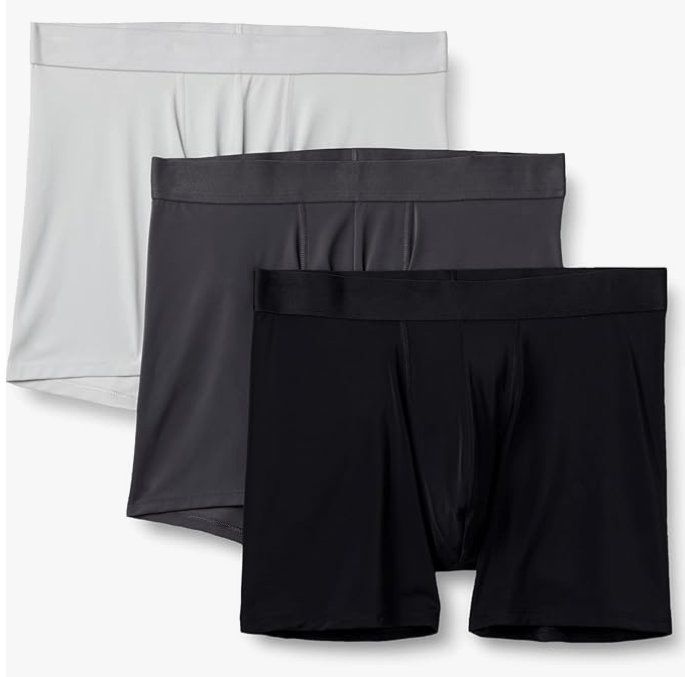
- Performance-style boxer briefs or compression shorts
- Undergarments similar in color to your uniform or PT shorts
As long as no one can see it and it doesn’t change the fit of the uniform, you’re within regulation.
BCT: Expected to Wear Issued Underwear
Here’s the important part for trainees:
At Basic Training, you don’t get a choice.
You will be issued:
- standard brown boxer briefs (men)
- black sports bras and briefs (women)
And you are required to wear them.
This isn’t because your favorite pair violates AR 670-1, it’s because BCT enforces uniformity and standardization. Everyone wears the same thing so the drill sergeants know exactly what’s on your body during hygiene checks, PT, and formations.
Even if your civilian underwear technically meets AR 670-1 standards, you won’t be allowed to wear it until after BCT.
After BCT: You Regain Freedom, But Rules Still Apply
Once you hit AIT, OCS, or your first duty station, underwear becomes your choice again—as long as it complies with the regulation. This is where most soldiers switch to:
- moisture-wicking boxer briefs
- compression shorts for PT
- neutral-colored performance underwear
Just keep in mind:
If your underwear shows through your uniform or disrupts the outline, you can be corrected.
This is especially common with:
- white underwear under black PT shorts
- neon compression shorts
- patterned underwear visible under OCPs
- underwear lines cutting across the PT shorts
Why AR 670-1 Cares About Underwear at All
It comes down to three things:
1. Professional Appearance
The Army wants uniforms to look uniform—underwear shouldn’t be visible or distracting.
2. Safety
Loose or silky underwear can cause chafing and injuries during rucks, obstacle courses, or combatives.
3. Discipline and Standards
Small standards reinforce larger ones. If everyone follows the minor regulations, the big ones follow more naturally.
Practical Tips for Staying in Regulation
✔ Choose neutral colors
Black, brown, tan, olive, and gray are always safe choices.
✔ Avoid patterns and logos that can show through
PT shorts are thinner than you think.
✔ Pick underwear that works for Army life
Compression or performance boxer briefs reduce chafing and keep you more comfortable in heat and rucks.
✔ Have a separate set for PT and a set for uniforms
This solves most compliance issues.
The Bottom Line
AR 670-1 isn’t trying to micromanage your underwear drawer its rules exist to maintain uniformity, professionalism, and safety. In basic training, you’ll wear what you’re issued. After that, you have more freedom, as long as your choices stay conservative and invisible under the uniform.
Pick underwear that keeps you compliant, comfortable, and confident. It’s a small detail that makes a big difference in daily Army life.
If you are interested in supporting this site, here are some options online where I would make a small commission:

 Prepared Soldier
Leave a comment